Loading...

Zanocuj w Lesie — legal wild camping areas in Poland

Updated:

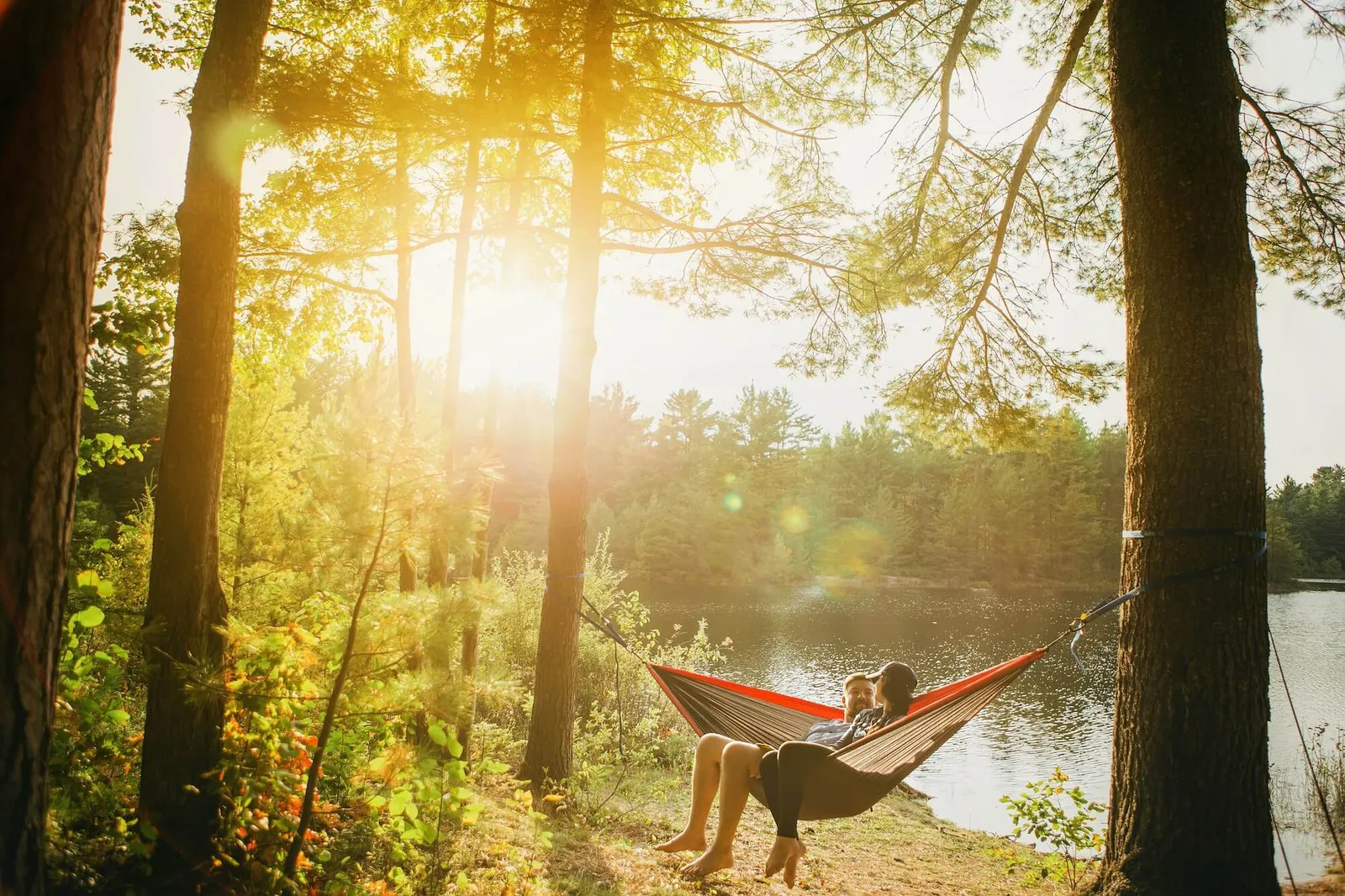
A hammock hung between trees in a forest at dusk

"Zanocuj w Lesie" (Spend the Night in the Forest) is an innovative programme in which Poland's State Forests opened more than 600,000 hectares across 425 forest districts to bushcraft and survival enthusiasts. Nature lovers may use the designated overnight areas, but there are a few rules that must be followed.

The basic rule is respect for the natural environment — the gear you use must not damage trees, shrubs or the forest undergrowth. Lighting open fires outside specially designated spots is also forbidden. If you plan to spend more than 2 nights in a row, or to camp in a group larger than 9 people, you must notify the forest district by email in advance and receive their approval.

Keep in mind that there are none of the conveniences of a standard campsite — no taps, no running water, no restaurants and no car park. In exchange you can expect a unique closeness to nature, watching wild animals and insects, and facing whatever the weather brings. "Zanocuj w Lesie" is aimed above all at people ready to rough it in demanding field conditions.

Bear in mind that parts of an area, or a whole area designated for camping, may be temporarily closed because of fire risk or other threats to the safety of campers and the surrounding nature. Decisions on whether gas stoves may be used in a given area are also made by the forest district and announced on their websites.

Frequently asked questions

Where can I check exactly where I'm allowed to camp?

You can see every program area right here on the interactive map on this page – zoom in to check exactly where camping is allowed. It works on your phone too, so you can use it out in the field. Individual forest districts also publish details about their areas on their own websites.

Will I be able to see where the zone ends once I'm out there?

No – the boundaries aren't marked with any signs, to keep the landscape free of clutter. You'll need to navigate using the map. In lowland areas, forest compartment posts will help you get your bearings; in the mountains, a map in hand is your only option.

Can I light a campfire?

Only in spots designated by the forest district manager – open fire is prohibited everywhere else. You'll find a list of such spots on the website of the relevant forest district, or you can ask at their office directly.

What about a gas stove?

That depends on the forest district – each one decides independently whether stoves are allowed on its territory and posts the information on its website. Where they are permitted, a few conditions apply: check the current fire risk level before heading out (and again during the day) – at the third, "red" level, cooking is completely off the table. The stove must be under your supervision at all times, and using it on peat soils, among young trees, under low tree crowns, or in tall grass and heather is forbidden.

When do I need to register my stay?

Registration is required if you're planning to stay longer than two nights or in a group of more than nine people (or both). You'll find the form on the forest district's website – email it no later than two working days before your trip. Keep in mind that sending it isn't enough: only an email confirmation from the forest district counts as actual permission.

Can I pitch camp anywhere, at any time of year?

Generally yes – within the designated area, you can sleep wherever you like, all year round. There are two exceptions, though. First, the zones may contain spots with a permanent entry ban (e.g. young forest plantations or wildlife refuges) – no camping there. Second, before you set off, check the Forest Data Bank map for any temporary forest entry bans, introduced for example due to fire risk or ongoing forestry work.

What can I take from the forest?

Mushrooms, berries and other forest fruits – absolutely, on the same terms as always. Harvesting wood, however, is prohibited, and so is damaging the forest floor. And of course: pack out all your trash, because you won't find any bins in the middle of the woods.

Can I get there by camper van?

No – driving any vehicle into the forest is prohibited. The program is meant for people camping in tents or, better yet, hammocks.